Aluminium windows have become a staple in London architecture, playing a pivotal role in both contemporary and traditional designs. Their sleek aesthetics, durability, and energy efficiency make them https://maps.app.goo.gl/oLD3RaSNdFU8XCJL9 an ideal choice for various building styles across the city. This guide delves into the characteristics of aluminium windows, their benefits, notable applications in London’s architectural landscape, and insights into selecting the right aluminium door manufacturers.
Understanding Aluminium Windows
Aluminium windows are constructed from lightweight yet robust materials that offer excellent thermal performance. Unlike traditional wooden or PVC options, aluminium does not warp or swell with changes in weather. This resilience makes it particularly suitable for London's variable climate, where rain and humidity can be prevalent.
The material itself allows for thinner frames that maximize natural light while maintaining structural integrity. This is especially important in urban areas where space may be limited and light can be scarce. Furthermore, advancements in technology have led to improved thermal breaks within aluminium framing systems, enhancing energy efficiency significantly.
Benefits of Aluminium Windows
Choosing aluminium windows comes with a range of advantages that extend beyond mere aesthetics. First and foremost is their durability. Unlike wood which can decay over time or PVC which may lose its color and shape, aluminium remains unaffected by the elements when properly treated. This longevity translates to lower maintenance costs over time.
Another significant benefit is energy efficiency. Modern aluminium windows often come equipped with double or triple glazing options that help insulate buildings effectively. In London’s bustling urban environment where energy consumption can be high, these features contribute towards reducing heating bills.
Additionally, sustainability is an integral feature of aluminium as it is recyclable without any loss of quality. Many manufacturers are now adopting eco-friendly practices that further enhance the appeal of these products for environmentally conscious homeowners and architects alike.
Architectural Applications in London
London's architectural scene showcases a variety of applications for aluminium windows that highlight their versatility. For instance, many new residential developments incorporate large glass panels framed with slimline aluminium profiles to create bright living spaces that connect indoors and outdoors seamlessly.
In commercial settings, such as office buildings and retail spaces located along major thoroughfares like Oxford Street or Regent Street, expansive curtain wall systems made from aluminium provide modern aesthetics while delivering high performance against environmental factors. These installations not only enhance visual appeal but also improve workspace conditions through better lighting and thermal management.
Historical buildings also benefit from the integration of modern materials like aluminium without compromising their classic appearance. Thoughtfully designed replacements can preserve the architectural integrity while providing updated functionality—this is particularly relevant in conservation areas where maintaining original character is crucial.
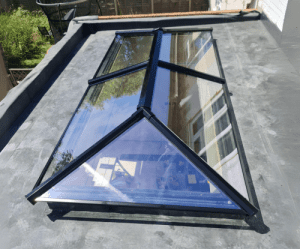
Selecting Aluminium Door Manufacturers
Finding reputable aluminium door manufacturers in London requires careful consideration to ensure quality and service excellence. Start by researching companies with proven track records; look for certifications that indicate compliance with industry standards regarding manufacturing processes and materials used.
When evaluating potential manufacturers, pay attention to their product offerings—some specialize solely in residential applications while others cater specifically to commercial needs. Request samples if possible; examining physical examples can provide insights into craftsmanship as well as design options available.
Also consider customer reviews and testimonials; experiences shared by previous clients can reveal valuable information about reliability and aftercare services provided post-installation. A manufacturer who stands behind their products will typically offer warranties that reflect their confidence in quality.
Pricing should also be assessed carefully; while it might be tempting to go for the cheapest option available, remember that investing in quality often leads to long-term savings through reduced maintenance costs and improved energy efficiency over time.
Installation Insights
Proper installation of aluminium windows is critical to achieving optimal performance. Engaging experienced professionals ensures not only compliance with local building regulations but also enhances the longevity of the installation itself. Poor installation can lead to issues such as drafts or condensation buildup—problems easily avoided by hiring qualified specialists.
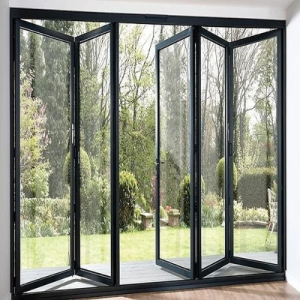
Before installation begins, it's essential to assess existing window openings thoroughly. This involves checking for any structural weaknesses or necessary repairs which need addressing beforehand so that the new installations fit perfectly within designated spaces.
Additionally, consider discussing various finishing options with your contractor; some homeowners prefer powder-coated finishes for added protection against corrosion while others opt for anodized versions which offer different aesthetic qualities altogether.
Post-installation maintenance mainly consists of regular cleaning routines aimed at preserving both function and appearance—simple tasks such as wiping down frames and ensuring drainage channels remain clear can significantly prolong lifespan considerably without much effort on the homeowner's part.
Conclusion
With their blend of style and functionality tailored perfectly for London's unique architectural landscape, aluminium windows have established themselves as a top choice among homeowners and developers alike. Whether you are restoring a historical property or constructing a contemporary building from scratch, these versatile installations provide endless possibilities contributing towards beautiful designs grounded firmly on practicality.
By understanding how they work within diverse environments—from residential homes tucked away in quiet neighbourhoods to vibrant city centers filled with bustling shops—you’ll appreciate just why they have become so ingrained within modern British architecture today.